Dubai Has a Sewage Problem
- Youtube Views 41 VIDEO VIEWS
13 May 2026
Video hosted and narrated by Fred Mills. This video contains paid promotion for Brilliant.
THE CITY famous for record-breaking skyscrapers and man-made islands is now turning its ambitions, and its billions, towards something far less photogenic: its sewers.
Dubai has approved one of the most ambitious wastewater infrastructure projects in the world, a vast network of deep underground tunnels designed to replace a fragmented and increasingly overwhelmed sewage system that has, on occasion, quite literally spilled onto its streets.
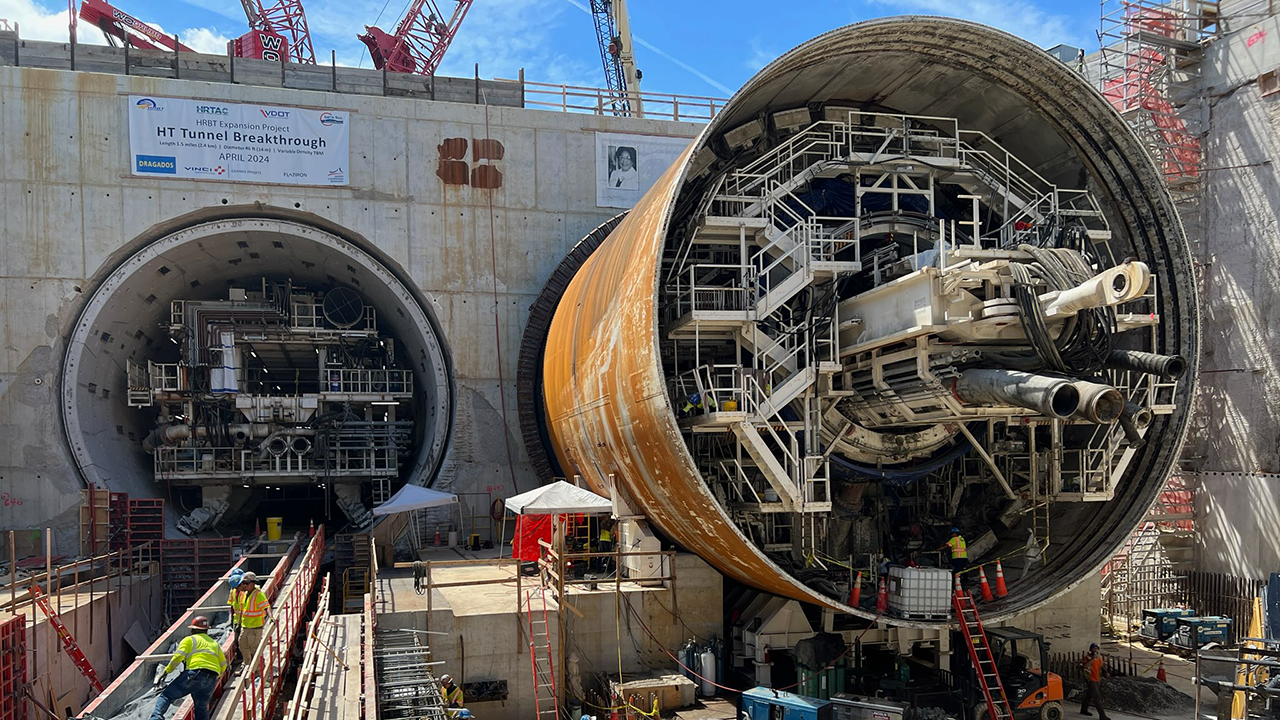
The Dubai Strategic Sewerage Tunnels project consists of two main tunnels with a total length of 75 kilometres, alongside 140 kilometres of supporting tunnels reaching depths of up to 90 metres underground. At an estimated cost of USD $22 billion, it won’t come cheap.
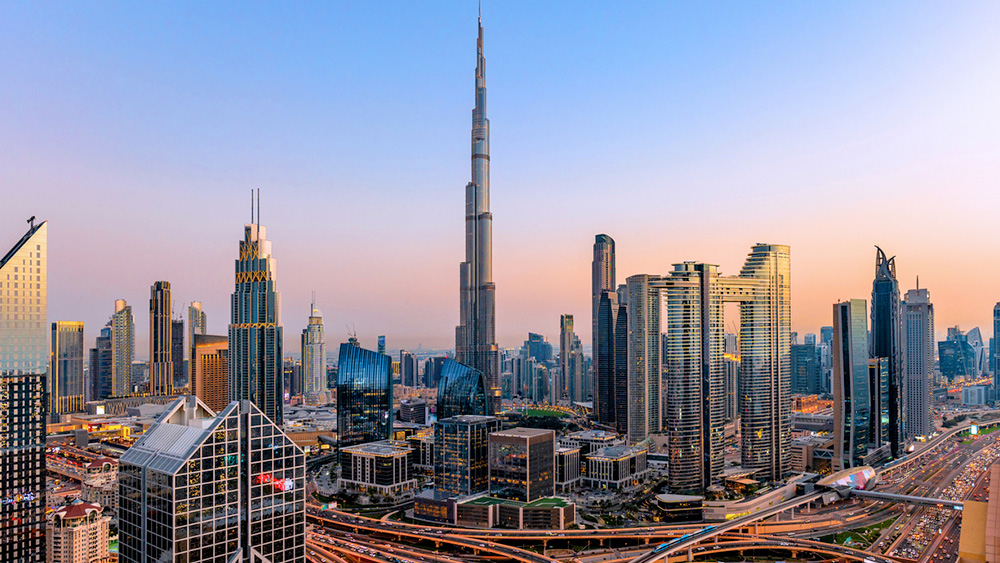
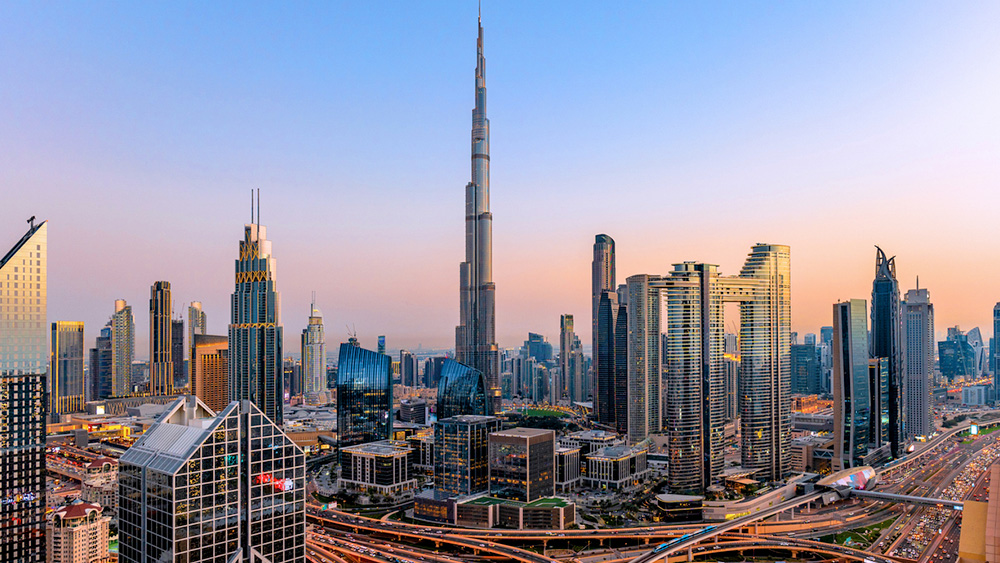
Above: Dubai.
The scale of the undertaking reflects the scale of the problem. Dubai's population more than doubled in the eleven years after 2008, and its existing sewerage infrastructure, built piecemeal across a city that grew faster than almost anyone predicted, has struggled to keep pace.
By the mid-2000s, Dubai had more than 1,200-kilometres of sewer pipes covering roughly three quarters of the city. But these existed as small, localised networks rather than a coherent citywide system, and crucially, they relied on more than 150 pumping stations to keep waste moving, an energy-intensive approach that has come to account for 30 percent of the city's carbon emissions.
When those stations fail, the consequences are hard to ignore. In 2018, raw sewage was reported flowing onto roads on the eastern crescent of the Palm Jumeirah, Dubai's most exclusive residential island, from a temporary treatment plant that had become overloaded. Residents subsequently complained of persistent foul odours, blocked pipes and unreliable water supply.
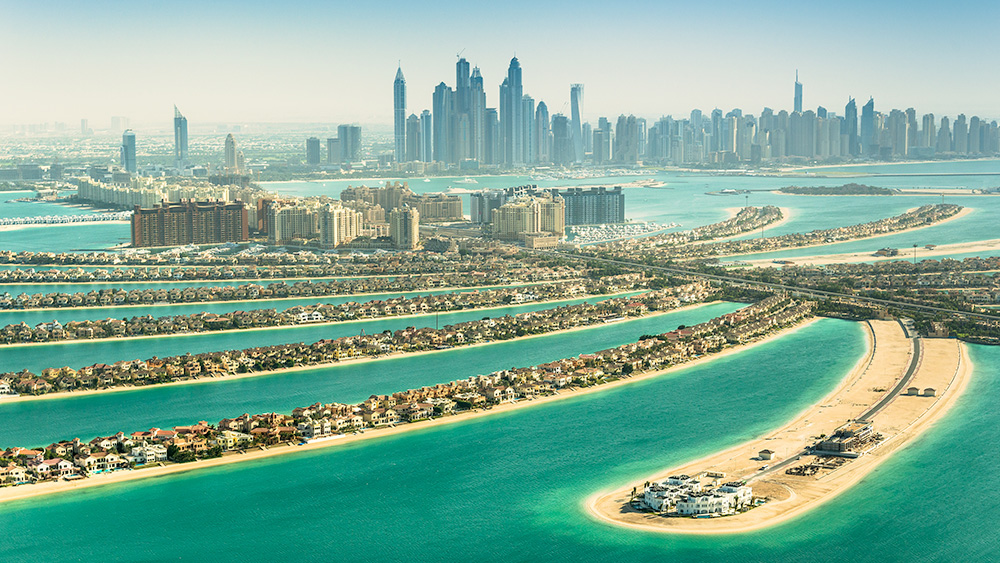
Above: The Palm Jumeirah.
The most dramatic illustration of the system's limitations, however, came in April 2024, when the UAE was struck by its heaviest rainfall since records began. Record rainfall shut down airports, turned main roads into waterways and caused widespread damage to commercial and residential properties, with widespread reports of sewage mixing with floodwater across the emirates.
The new system will convert Dubai's existing sewerage network from a pumped system to a gravity-fed one, decommissioning the existing pump stations and providing what engineers describe as a sustainable, reliable service for future generations.
The two main tunnels are designed around the principle of using gravity rather than energy. Built on a gradient, waste will flow downhill under its own weight, reaching depths of up to 90-metres before arriving at new terminal pumping stations, one at Jebel Ali and one at Al Warsan, where it will be lifted the final few metres into treatment plants, cleaned, and reused.
The larger of the two tunnels, the Bur Dubai Deep Tunnel, will run for 50-kilometres through the city's most densely populated areas. The Deira Deep Tunnel will cover 25 kilometres, serving the district that includes Dubai International Airport and many of the city's historic souks.
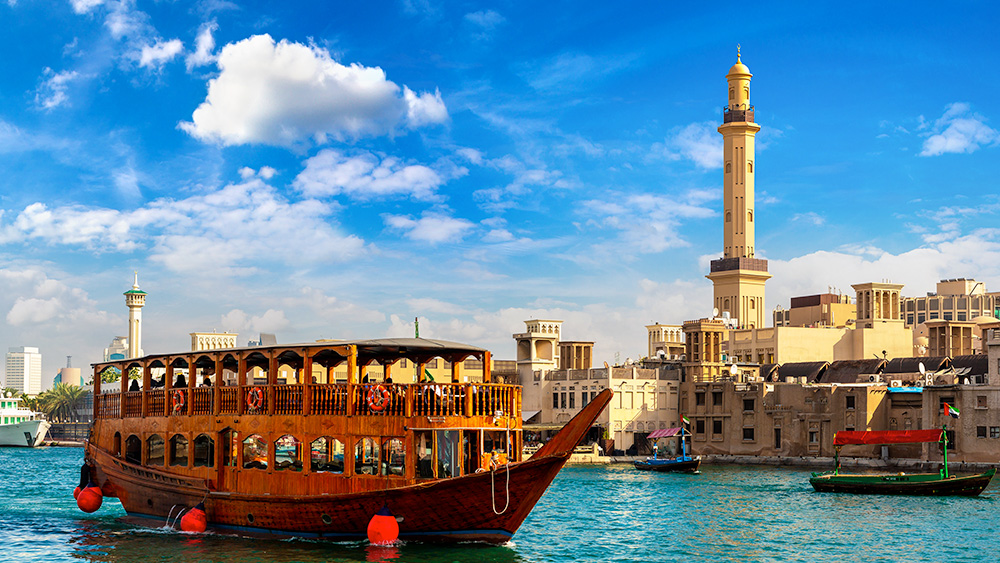
Above: Deira contains Dubai's historic marketplaces.
Once complete, the new system will replace over 100 existing pump stations across Dubai, cutting wastewater treatment costs, reducing carbon emissions, lowering energy consumption, and preparing the city for future population growth. The project is also expected to increase the city's wastewater capacity by 700 percent.
Dubai's Executive Council approved the project in 2023, almost a year before April 2024's catastrophic flooding. The project is being delivered as a public-private partnership, with the first tenders launched in April 2025.
No official completion date has been set, though the project is widely expected to be finished in the early 2030s.
Dubai is not the first great city to find itself overwhelmed by its own growth. In the 1850s, London faced a strikingly similar predicament. Rapid industrialisation and population expansion had pushed the River Thames, then the city's de facto sewer, to a breaking point. It took the sweltering summer of 1858, known as the Great Stink, for Parliament to act: the curtains of the Palace of Westminster were reportedly soaked in lime chloride in an attempt to mask the smell drifting off the river below.
The sewer network subsequently built by engineer Joseph Bazalgette became one of the great feats of Victorian civic engineering. More than 160 years later, London completed the Thames Tideway Tunnel, a 25-kilometre deep-level sewer running more than 60 metres beneath the city, to supplement Bazalgette's original network for the modern age. Dubai's tunnels will be three times as long.
To try everything Brilliant has to offer for free for a full 30 days, click here.
Additional
footage and images: The Resorts Collection, Sky News, Maryam13, RAWALNIAZIVLOG123, Dubai Municipality, MRJWW, CDBSmithy2, NBC News, Supercars on the Streets, Tideway London, Office of Public + Cultural Diplomacy, Nature Lover (Subham), RoyalBornLife, VertexCGI, Enes Yilmazer, Dubai Tamizhan, Fun + Fury Dubai, BBC News, Gulf News, Shehryar Khan.
We welcome you sharing our content to inspire others, but please be nice and play by our rules.
Comments